Perfume notes explained: top, heart and base notes
Perfume notes are the layers a scent moves through as it evaporates: top notes in the first minutes, heart notes for a few hours, base notes the longest. How notes differ from accords, how to evaluate a fragrance oil's notes on a blotter, and how far you can change them at home.
Contents
Fragrance oil listings usually come with a list like "top: bergamot, pink pepper; heart: rose, jasmine; base: musk, sandalwood." That list describes how the scent changes over time. The components of a perfume evaporate at different speeds, so what you smell the moment you spray is not what you smell a few hours later.
The three layers
- Top notes make the first impression and evaporate fastest. Citrus, light spices and fresh, green notes usually sit here; most fade noticeably within the first half hour.
- Heart notes (middle notes) come forward as the top notes fade and carry the character of the scent. Rose, jasmine, lavender, iris and many spices belong to this layer.
- Base notes evaporate slowest and make up what is left on skin hours later. Woods, amber, musk, vanilla and resins are typical.
The timings are approximate; the same note can last a shorter or longer time depending on the composition around it. Since base notes do most of the work for longevity, they are the part of the list to look at if you want a perfume that lasts. How much the oil's percentage matters alongside that is covered in what percentage of fragrance oil to use.
Notes vs accords
A note list is usually less an ingredient list than a description of how the scent comes across. There is no single "sea note" or "leather note" material; that impression comes from an accord, several materials that together read as one smell. Amber is an accord too, typically built from warm, resinous materials such as vanilla, labdanum and benzoin.
That is why two oils with near-identical note lists can smell different. The list gives you an idea; it doesn't replace smelling the oil before you commit to a bottle.
Evaluating a fragrance oil's notes
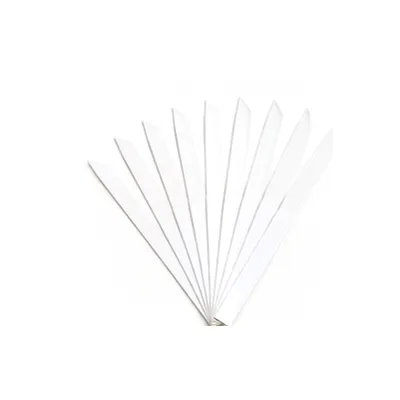
To see how the notes unfold, follow the oil on a perfume blotter:
- 1Put a drop or two of a diluted test blend on the strip. Neat oil is concentrated enough to tire your nose quickly.
- 2Smell it in the first few minutes: that's the top.
- 3Smell it again after 30 minutes to an hour: the heart should have come forward.
- 4Smell it after three or four hours and the next day: what's left is the base.
- 5Write a short note each time, so you can compare when you revisit the oil weeks later.
A blotter reads a little differently from skin, where warmth and skin oils bring some notes forward. Paper is a good way to compare oils side by side; try your favorite on skin before deciding. A freshly mixed perfume is better judged after a few weeks of rest than in its first days.
Can you change the notes at home?
You can't rebalance the notes inside a finished fragrance oil; that balance is in the perfumer's formula. What you can do at home is limited but useful:
- Adjust the concentration. A higher percentage won't change the notes, but it can shift the balance: at very high levels the top notes can get muffled and the opening can feel heavy. Comparing a few percentages in small test bottles is the most reliable way to find yours.
- Blend two oils. For example, a small amount of a musk- or vanilla-heavy oil under a fresh one. Your total concentration is the two oils added together, and each oil's IFRA limit applies to its own share of the finished perfume. Trying these in a 10 ml bottle first saves oil.
- Add a single material. Materials such as Iso E Super, Hedion or a musk can be added in small amounts for volume or depth. They carry a usage limit on the supplier's documentation too.
If you don't write down which oils you combined and at what share, a blend you like is hard to repeat. Keeping a formula record covers what to note; Esansmatik lets you save your percentages and notes on each batch, perfume by perfume, and recalculate them for any bottle size.