Perfume fixatives and DPG: what they do and how much to add
A perfume fixative is a slow-evaporating material that helps a scent last on skin; DPG is the most common one in home perfumery. What DPG is, how much to add, what too much does, and how scented fixatives like Ambroxan and benzoin differ.
A fixative is a material that evaporates very slowly. Mixed into a perfume, it can slow the evaporation of the scent a little and help it last longer on skin. The effect is modest: it won't turn a weak oil or a low concentration into a long-lasting perfume. Longevity comes mostly from the oil's composition and your concentration, covered in what percentage of fragrance oil to use.
Two kinds of fixative
- Odorless fixatives. They go into the blend without adding scent. In home perfumery the most common is DPG (dipropylene glycol). Many products sold simply as "fixative" by fragrance oil suppliers are DPG-based; if the listing doesn't say, ask.
- Scented fixatives. Slow-evaporating aroma materials: musks, ambery materials such as Ambroxan, resins like benzoin and labdanum, and woody materials such as Iso E Super. Because they smell, adding them changes the scent. A finished fragrance oil usually contains some already, so adding more is a formulation decision.
What DPG is
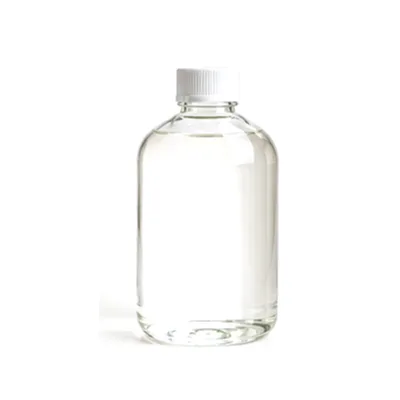
Dipropylene glycol is a colorless, nearly odorless, slightly oily liquid. It mixes with alcohol, water and most fragrance oils, and its density is about 1.03 g/ml, a little heavier than water. Unlike alcohol, it barely evaporates on skin, so it stays in the blend and holds on to the scent for a while.
For perfume, buy fragrance-grade DPG, often labeled LO+ (low odor): a high-purity grade made for odor-sensitive products. Industrial grades can carry a faint smell and aren't meant for skin.
How much DPG to add
If you build your own base, a typical range for DPG is 2–5% of the total blend. Here is a 50 ml perfume at 20% oil:
| Component | Share | ml | g |
|---|---|---|---|
| Fragrance oil | 20% | 10 | 9.5 |
| DPG | 3% | 1.5 | 1.55 |
| Distilled water | 2% | 1 | 1 |
| Perfumer's alcohol | 75% | 37.5 | 29.59 |
More DPG doesn't give proportionally more longevity. Past a point the blend can feel oily or sticky on skin, and the top notes can get muffled. With a new oil, starting at 2–3% and judging the result after a few weeks of rest gives you a fairer read.
To set your own oil, alcohol, water and fixative shares and see them in ml and grams:
Calculate your perfumeDPG for dilutions
DPG is also the standard solvent for diluting single materials to smell and weigh them, since a dilution in DPG keeps its strength far longer than one in alcohol. For the same reason it isn't used on its own as the base of a spray. When to use DPG and when to use alcohol is covered in how to dilute fragrance oil.